Celeris Realtime
A public-beta, binary-first WebSocket platform built in Rust for high-throughput pub/sub across multiple nodes and regions.
RustWebSocketsDistributed Systems
Note: This was built as part of my work at Payaza Africa. I focused on the SDK, its integration ergonomics, the real-time layer behind it, and developer documentation, not the entire Payaza product.

The Payaza Web SDK provides a straightforward way to embed Payaza checkout into web applications, handling configuration, initialization, and events through a clean API.
The Web SDK was a separate npm package, but it worked hand in hand with a TypeScript and Node.js cluster of Socket.IO reverse proxies. The core backend could not provide the real-time behaviour the checkout needed within the launch timeframe, so the SDK used the proxy cluster as both its API and real-time layer. The proxies exposed webhooks to the backend and broadcast updates such as payment statuses to connected SDK clients. I used consistent-hash routing across the cluster and worked with a DevOps engineer to host it on Azure.
The system worked consistently for the problem in front of us. Its traffic pattern was also relatively bounded because each connected client was waiting for a response from one backend. Building it left me interested in how the same idea would behave when many participants were communicating at once, a question I later explored at HeySummit and through Celeris Realtime.
I also built the embeddable Vue checkout application and designed and published the @payaza/web-sdk package. Separately, I created an internal TypeScript package that presented an Axios-like interface over the backend's less direct communication model.
<script src="https://cdn.payaza.africa/sdk/web.min.js"></script>
<script>
  document.addEventListener('DOMContentLoaded', function () {
    const payaza = PayazaWebSDK.init({
      publicKey: 'pk_test_XXXXXXXXXXXXXXXX',
      customer: { email: 'user@example.com' },
      amount: 5000, // in NGN kobo
      currency: 'NGN',
      onSuccess: (ref) => console.log('Success:', ref),
      onClose: () => console.log('Closed'),
      onError: (err) => console.error('Error:', err),
    });

    document.getElementById('pay-button').addEventListener('click', () => {
      payaza.checkout();
    });
  });
</script>
<button id="pay-button">Pay with Payaza</button>

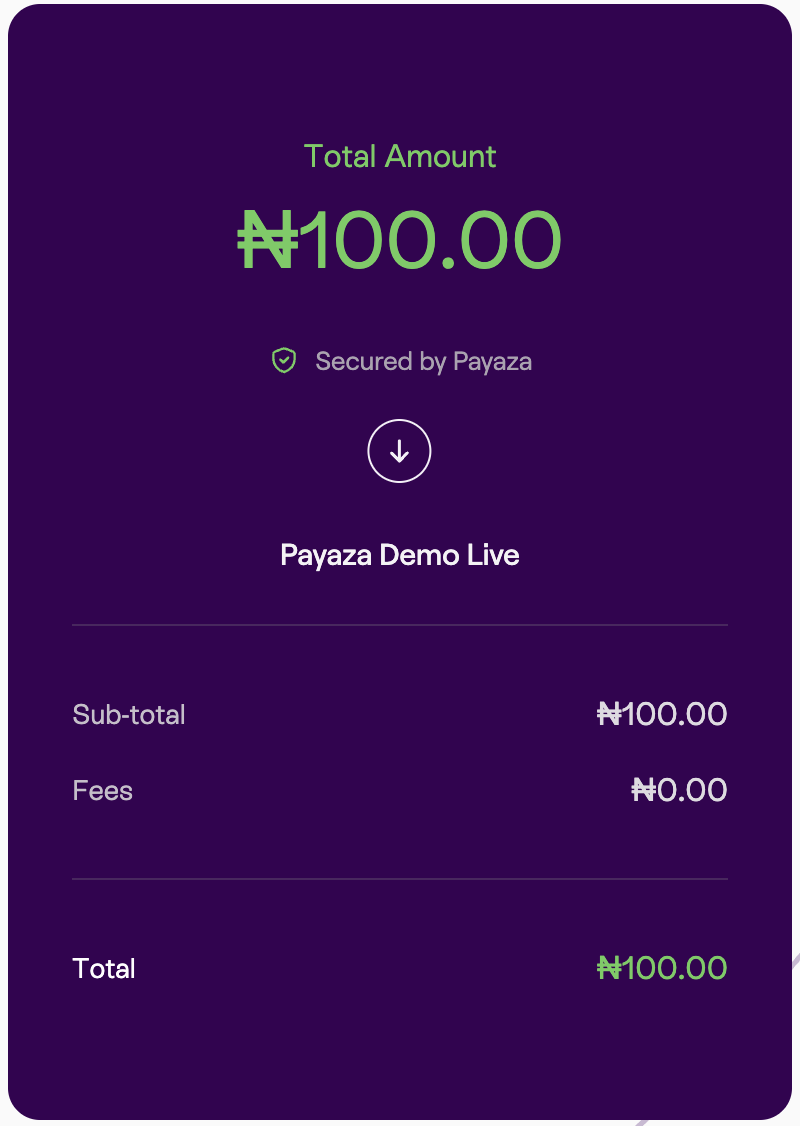
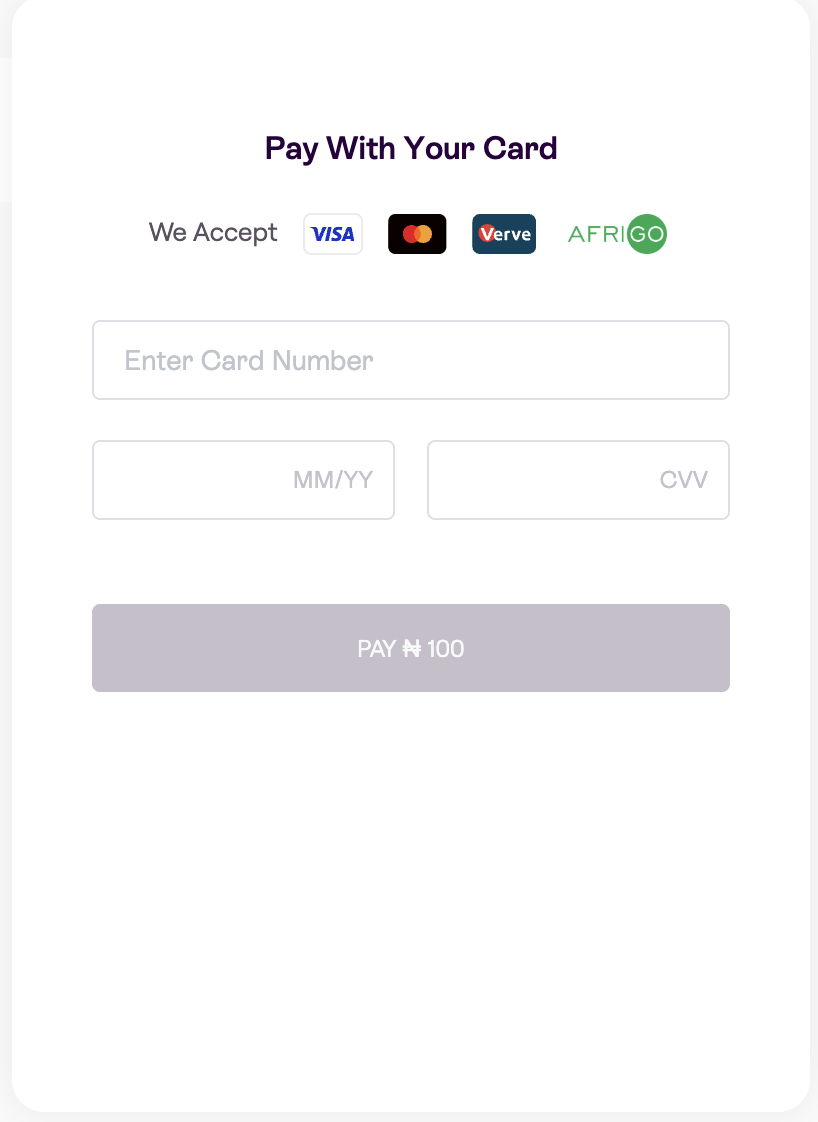
A public-beta, binary-first WebSocket platform built in Rust for high-throughput pub/sub across multiple nodes and regions.
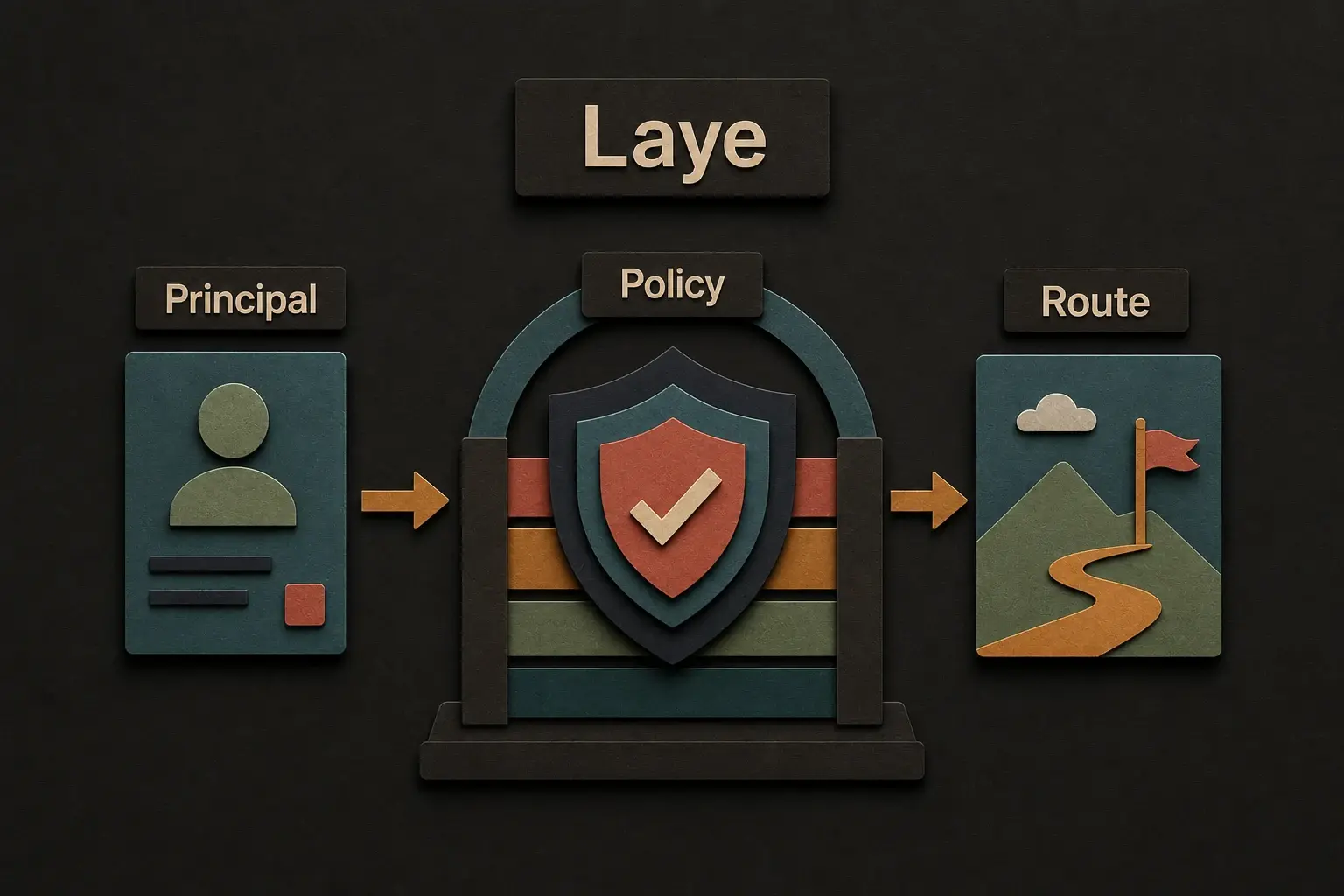
Framework-agnostic RBAC library for Rust with composable AccessPolicy rules and plug-and-play middleware for actix-web and tower/axum.
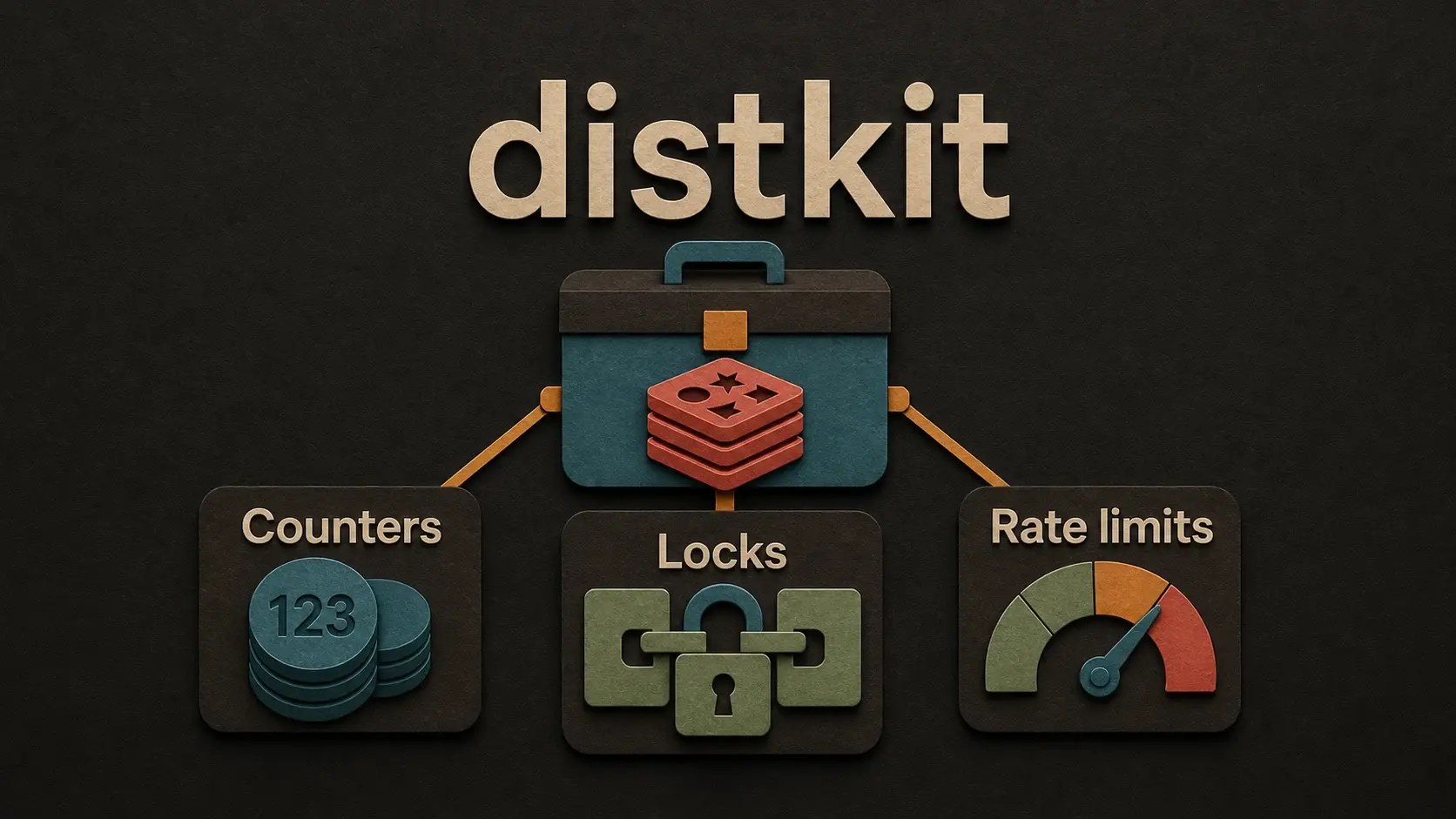
A Rust toolkit of distributed systems primitives backed by Redis. Strict and lax counters, instance-aware counters with automatic dead-instance cleanup, distributed locks (Mutex and RwLock), and sliding-window rate limiting.
Available for senior engineering roles, consulting, and architecture reviews.